
Lucknow · Uttar Pradesh · Spring travel · City breaks · Food
Lucknow in Spring: A Practical Guide to the City of Nawabs
24 September 2026 · Spectrum Tour-Travels
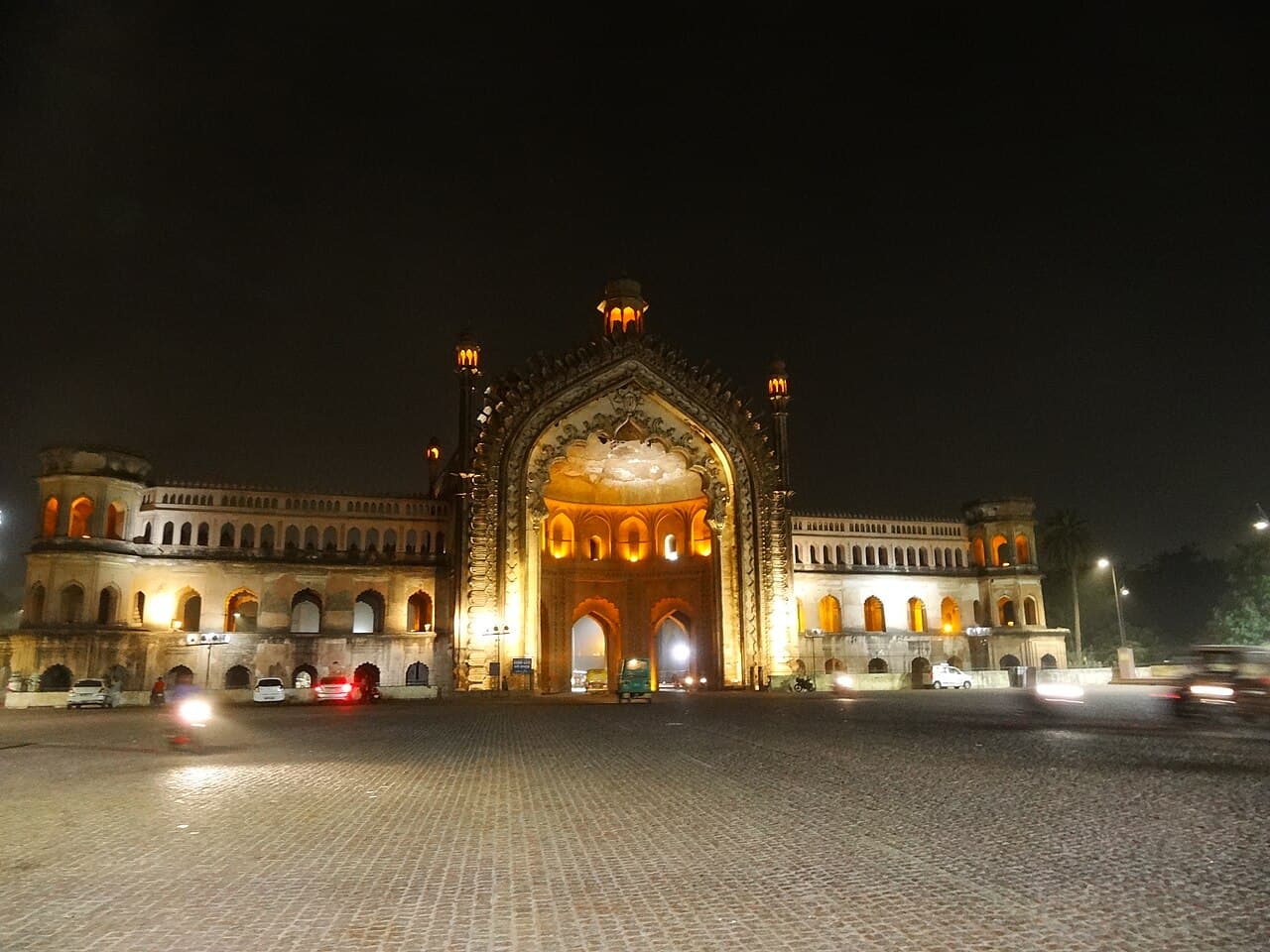
Lucknow in spring makes an appealing short holiday if you enjoy historic buildings, unhurried walks and good food. The city of nawabs rewards travellers who leave time between its major sights: a doorway glimpsed from the street, a conversation over tea, or an evening stroll through Hazratganj can be as memorable as a monument.
For families and friends travelling from Kolkata or Hooghly, the main planning question is how much time to allow. Two full days cover the highlights; three give you room to slow down, shop and explore beyond the best-known stops. Here is how to make the most of a spring visit without trying to see everything at once.
When is the best time to visit Lucknow in spring?
February and March are generally the most comfortable months for sightseeing in Lucknow. Days can feel pleasant for walking, while mornings and evenings may call for a light layer. By April, afternoons can become hot, so it is better to visit outdoor sites early and keep museums, meals or rest breaks for the middle of the day.
Pack comfortable walking shoes, sun protection and a refillable water bottle. A light jacket is useful if you are leaving early for a train or spending a long evening outside. Check the forecast close to departure rather than assuming every spring day will feel the same.
Festival dates may affect your plans. Holi can change traffic and opening arrangements, and Ramadan, when it falls during your visit, may give some food streets a different rhythm. Dates vary from year to year. If a particular monument, market or restaurant matters to you, check its current opening hours before you set out. A little flexibility goes a long way in a city best enjoyed at a measured pace.
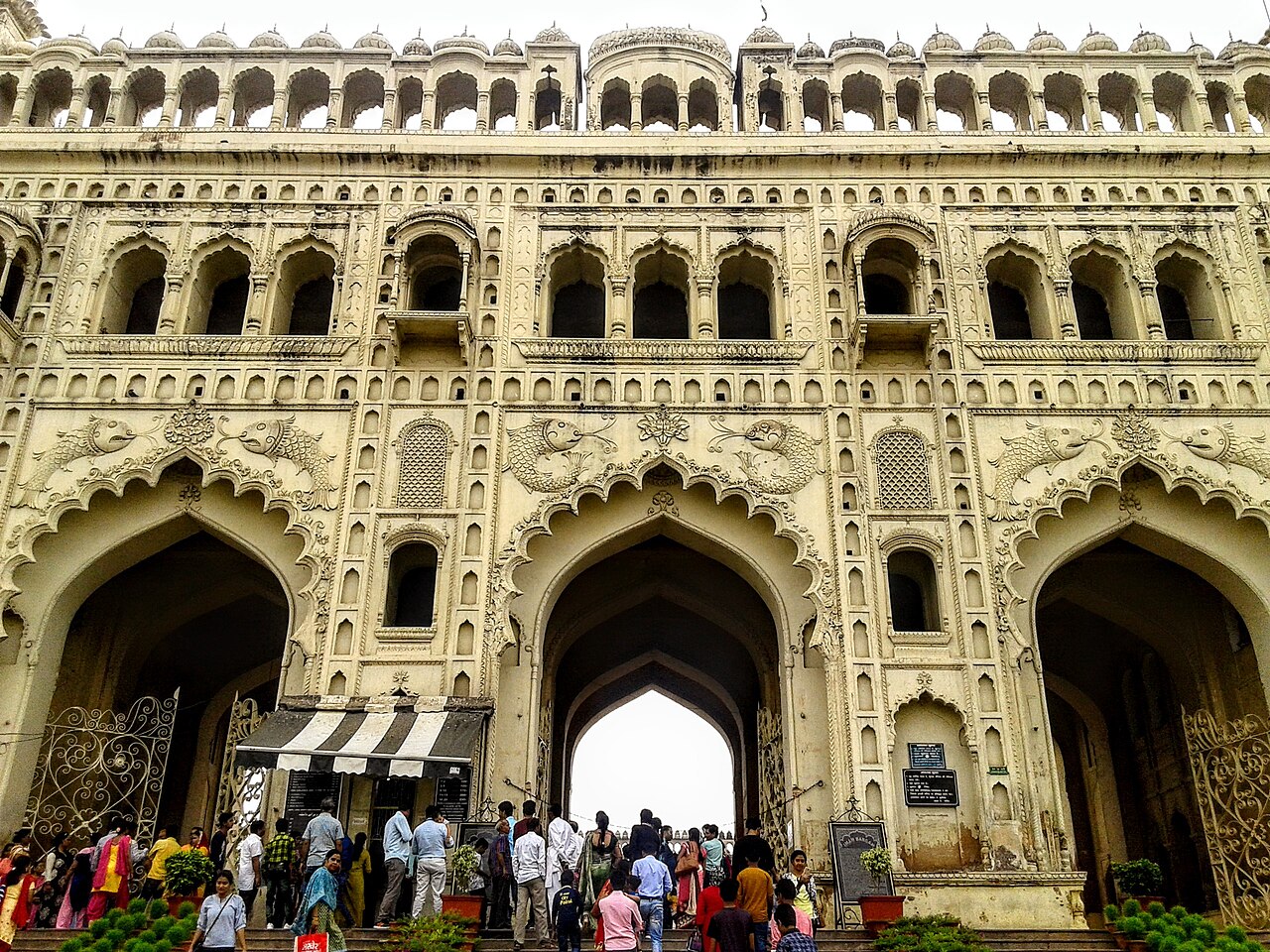
Start with the old city's nawabi landmarks
Set aside at least half a day for the historic area around Bara Imambara. Built under Nawab Asaf-ud-Daula, the complex is known for its grand hall and the Bhool Bhulaiya, a network of passages above it. Allow enough time to explore safely; follow the site's current guidance on access and guides rather than treating the maze as a quick photo stop.
Nearby, Rumi Darwaza is one of Lucknow's most recognisable gateways. It is worth seeing from street level, but take care around traffic when stopping for photographs. Continue to Chota Imambara to see a different side of the city's architectural heritage, with its decorative interiors and surrounding grounds.
These places are close enough to combine in one outing, but queues, walking and the heat can make a packed schedule tiring. Wear footwear that is easy to manage at sites where it may need to be removed, and dress respectfully at religious spaces. Check current ticketing and visiting arrangements locally. If you are travelling with older family members or young children, plan a vehicle between stops instead of assuming everyone will want to walk the whole route.
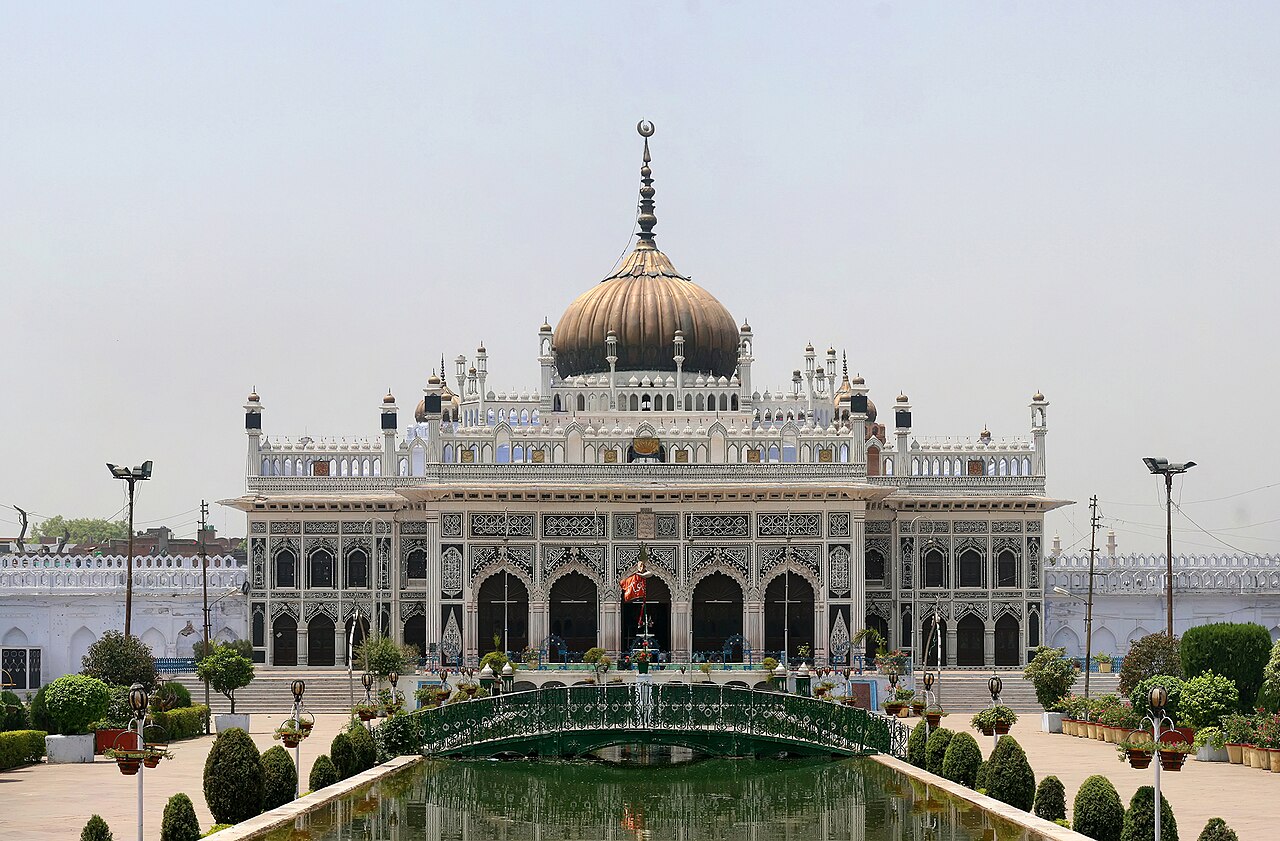
Add the Residency and a gentler evening
The British Residency offers a different chapter of Lucknow's history. Its ruins and grounds are associated with the events of 1857, and the site deserves more than a hurried circuit. Reading the information on site, or visiting with someone who can explain the context, makes the experience more meaningful than simply collecting photographs.
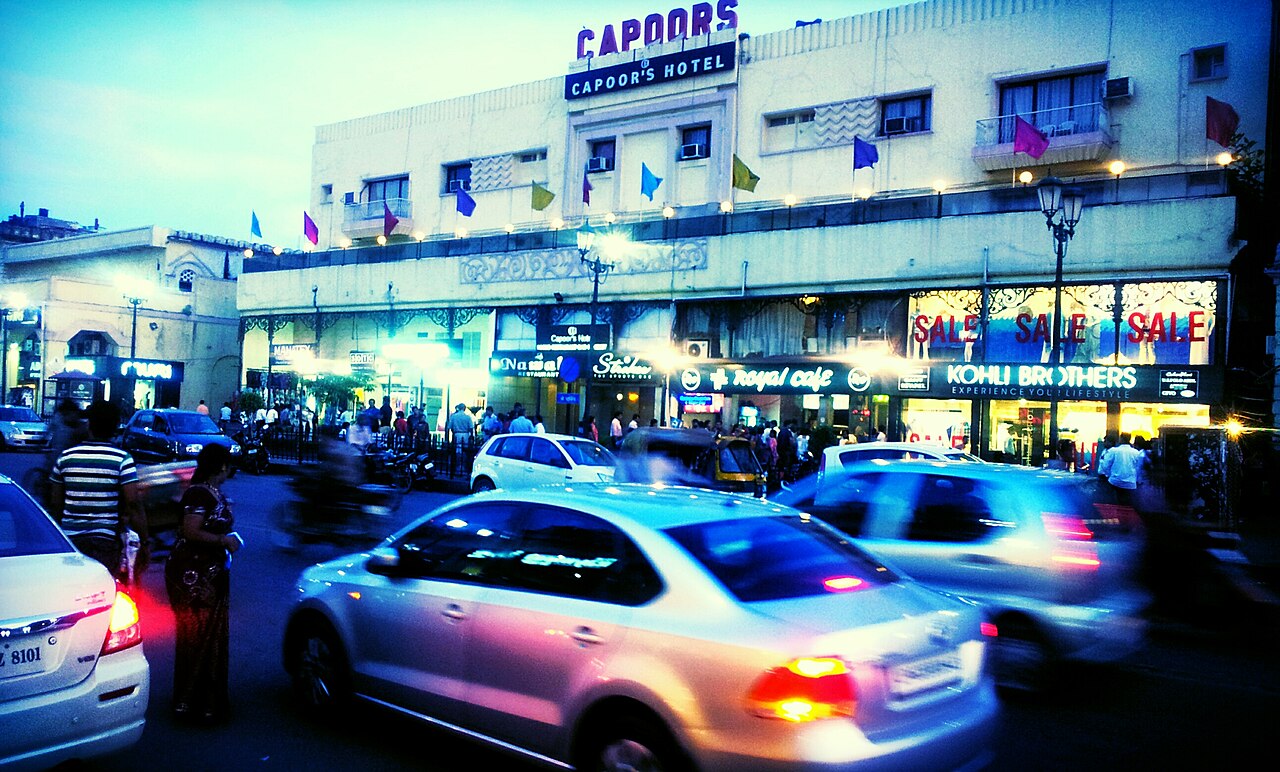
After a history-heavy morning, give yourself an easier afternoon. Hazratganj is a convenient area for a stroll, a café break and browsing shops. It offers a contrast to the lanes of the old city, particularly if your group includes people who prefer less walking. Later, consider the Gomti riverfront for some open space, or see the monumental stone architecture at Ambedkar Memorial Park. Check access and visiting hours before making either the centrepiece of your evening.
There is no need to cover the Residency, old city, shopping and riverside in a single day. A better plan is to group nearby sights and leave room for a proper lunch and a rest. That makes the trip more enjoyable for a mixed-age family, and leaves you with energy to explore Lucknow after dark.
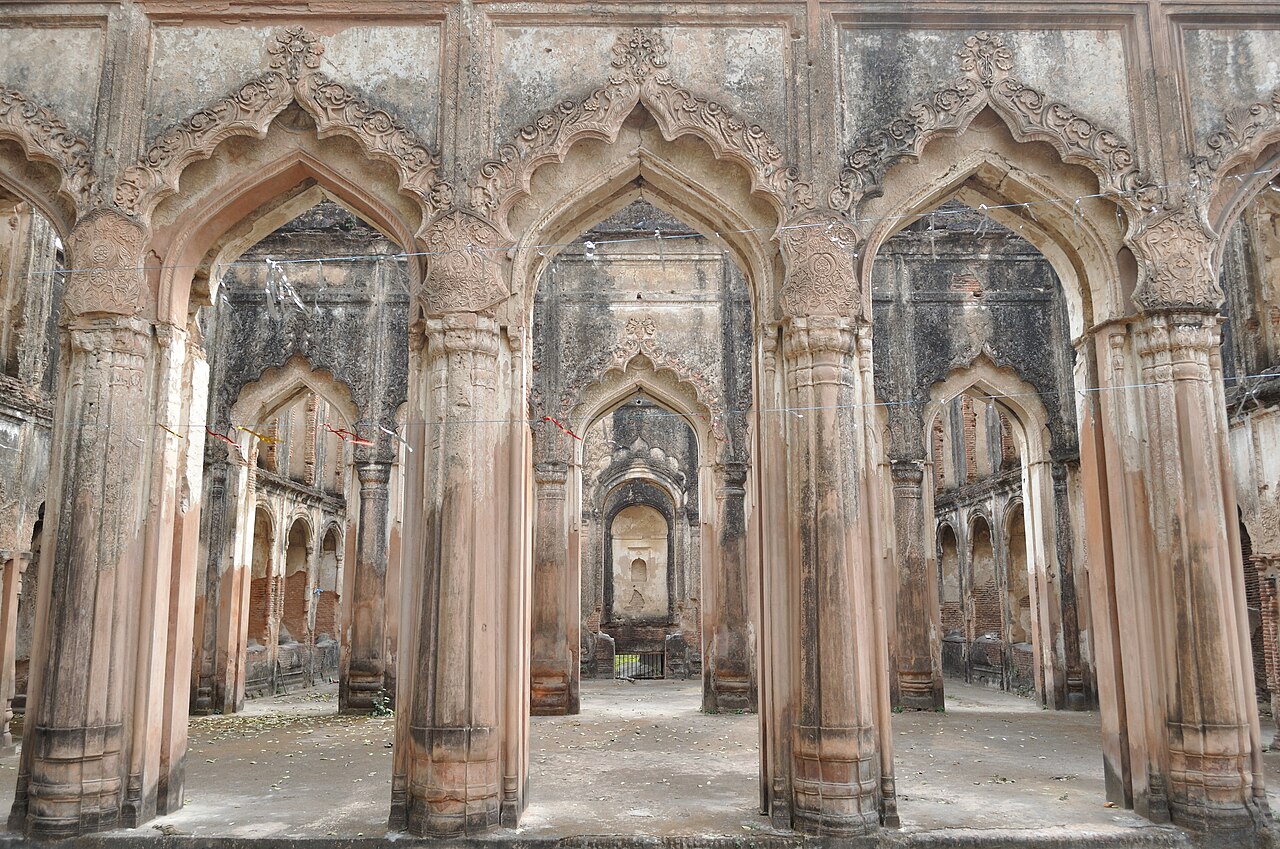
What to eat in the city of nawabs
Lucknow's food is a reason to visit in its own right. Awadhi cooking is especially associated with slow-cooked dishes, aromatic rice and kebabs. If you eat meat, you might try galouti or other kebabs, biryani and a traditional bread alongside them. Taste and spice levels vary by kitchen, so ask before ordering for children or anyone who prefers milder food.
Vegetarians need not sit out the food experience. Look for chaat, kachori, sweets and vegetarian meals, and ask clearly about ingredients if dietary rules matter to you. Chowk and Aminabad are well-known areas for food and market browsing, though their lanes can be busy. Go with an appetite, but keep your first street-food stop modest if you have a sensitive stomach.
Choose places that look clean and busy, drink safe water, and leave time between a substantial lunch and an evening food walk. Restaurant hours, menus and queues change, particularly around festivals and holidays; check on the day rather than building your itinerary around a single dish at a single shop. For a group with different tastes, sharing a few dishes is often the simplest way to discover what everyone likes.

Shopping in Lucknow without rushing
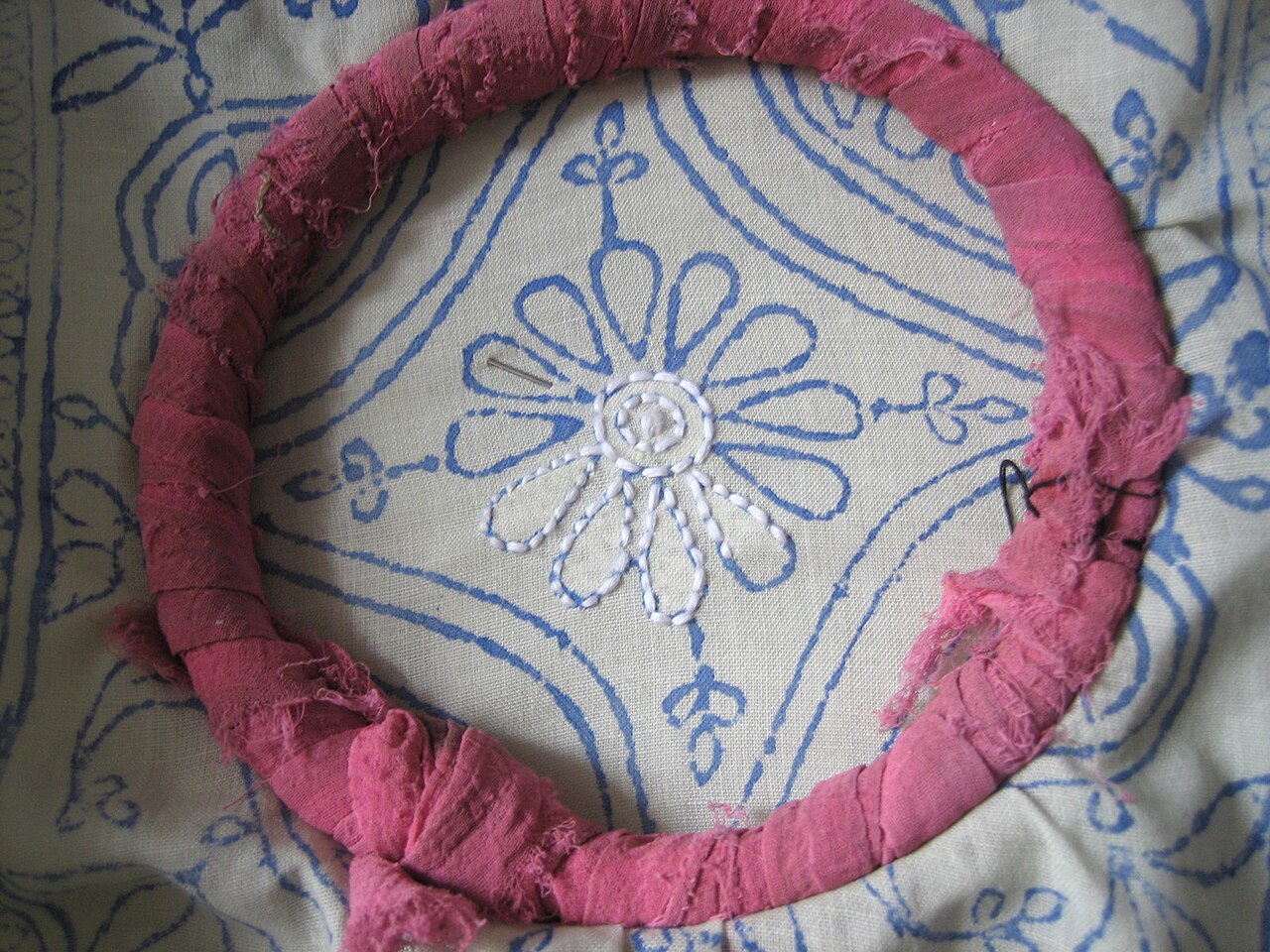
Chikankari embroidery is the purchase many travellers associate with Lucknow. You will find it on kurtas, sarees and other clothing, from everyday pieces to more elaborate work. Compare fabric, stitching, finish and care instructions before buying; similar-looking garments can differ considerably. If you are shopping for someone at home, carry their measurements rather than relying only on a labelled size.
Hazratganj is comfortable for a relaxed browse, while Aminabad and Chowk offer a busier market experience. A market visit is easier if you agree on a meeting point with your group before splitting up. Keep cash and valuables secure in crowded lanes, and ask permission before photographing shopkeepers or craftspeople.
Do not leave all your shopping for the last hour before a flight or train. Allow time to look properly, eat, and return to your accommodation without rushing through traffic. If you prefer not to shop, the markets are still worth visiting for their street life and food. Equally, it is fine to skip them and spend another quiet hour at a historic site: Lucknow works best when the day reflects your group's interests.
Getting to Lucknow from Kolkata and planning your days
Lucknow has an airport and major railway stations, making it possible to plan the journey around your available leave and budget. From Kolkata, compare current flights with trains from Howrah or Sealdah; routes, connections and schedules can change. If you are coming from Hooghly, include the time needed to reach your departure airport or station, especially for an early start.
For a first visit, three nights is a comfortable choice if travel takes up much of your arrival or departure day. Use the first full day for Bara Imambara, Rumi Darwaza and Chota Imambara. Give the second to the Residency, Hazratganj and an evening outing. An extra day lets you return to a neighbourhood you enjoyed, spend longer over food, or simply avoid a strict timetable.
Choose accommodation with your likely sightseeing areas and transport needs in mind, not just a pin on the map. Within the city, allow for traffic and confirm fares or app bookings before setting off. If your group would rather have the route arranged around its pace, Spectrum can help you discuss a customised holiday. Keep the plan flexible: a good Lucknow trip has space for both its famous monuments and the unexpected stop that catches your eye.
Frequently asked questions
Is March a good time to visit Lucknow?
March is generally a good time for sightseeing, particularly earlier in the day. Temperatures can rise as the month progresses, so check the forecast and plan outdoor stops accordingly.
How many days do I need for Lucknow?
Two full sightseeing days cover the major historic sights and some time for food and shopping. Three days feel more relaxed, especially for families or travellers arriving after a long journey.
Can I visit Lucknow if I do not eat meat?
Yes. Alongside its well-known kebabs, Lucknow has vegetarian meals, chaat, snacks and sweets; ask about ingredients if you follow specific dietary rules.
Should I fly or take a train from Kolkata to Lucknow?
Flying usually saves travel time, while a train may suit your budget or preferred pace. Compare current routes, fares and departure times before booking, and factor in the journey to the airport or station.
Lucknow is rewarding when you give its history, markets and meals room to breathe. If you would like help shaping a spring break around your group's travel dates and interests, get in touch with Spectrum Tour-Travels.
Want to go?
Our group departures have fixed dates, set prices and a coordinator with you throughout.